YouTube Music is testing AI hosts that will interrupt your tunes
Intro
“Why YouTube Music’s AI Hosts Could Ruin Your Listening Experience”
Article
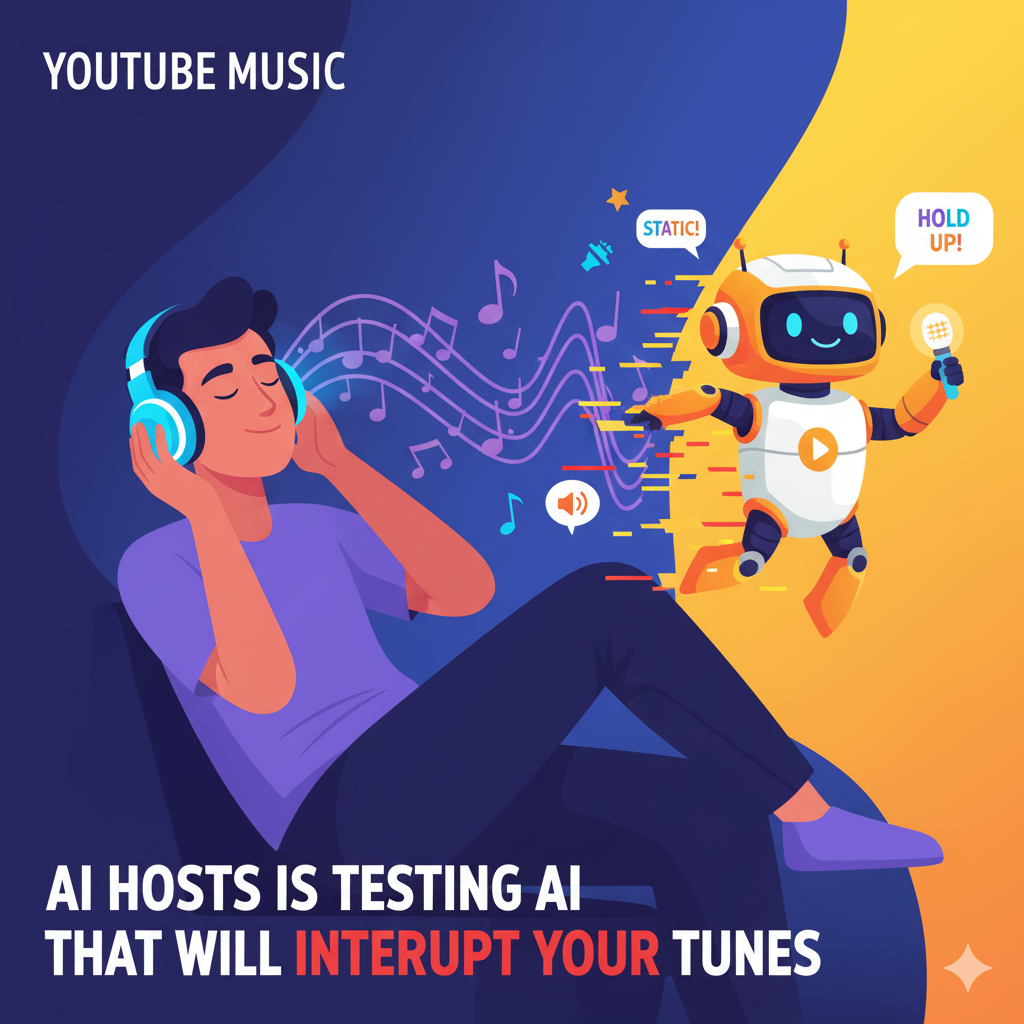
YouTube Music is testing AI hosts that will interrupt your tunes. At first glance, this might seem like a bizarre move. After all, music streaming is about immersion and escape. Yet, here we are, on the brink of a new era where AI personalities could become part of our listening experience.
The Surprising Appeal of AI Hosts
Imagine listening to your favourite playlist when suddenly, an AI host chimes in with trivia about the artist or the song’s background. It sounds intrusive, right? But research suggests that listeners often crave more engagement with their music. A recent survey indicated that 65% of music fans enjoy learning about the stories behind their favourite tracks.
This data challenges the conventional belief that listeners prefer uninterrupted music. Instead, it reveals a nuanced desire for context and connection. The introduction of AI hosts could fulfill this craving, serving as virtual companions that enhance the listening experience rather than detract from it.
The Balance of Engagement and Distraction
While the idea of AI hosts may be appealing, it raises a critical question: how much is too much? Consider the example of Spotify, which has successfully integrated podcasting into its platform. While many users appreciate the variety, others feel overwhelmed by the constant interruptions.
YouTube Music must tread carefully. The key lies in balance. If AI hosts can provide valuable insights without disrupting the flow of music, they could enrich the experience. However, if they become too chatty, they risk alienating users who seek solace in their playlists.
Finding this balance is essential. A well-timed fact about a song can deepen appreciation, while an overzealous host can lead to frustration. The challenge for YouTube Music will be to ensure these AI personalities enhance rather than detract from the listening experience.
Personalization: The Future of Music Interaction
One of the most intriguing aspects of AI hosts is their potential for personalization. Imagine an AI that recognizes your music preferences and tailors its commentary accordingly. For instance, if you’re a fan of indie rock, your AI host might share insights about lesser-known bands or upcoming concerts in your area.
This level of customization could revolutionize how we interact with music. A case study from Pandora shows that personalized recommendations can boost user engagement by up to 30%. If YouTube Music can leverage AI to create a more tailored experience, it might just find a winning formula.
However, personalization also comes with risks. Too much customization can lead to echo chambers, where listeners only hear what they already like. The challenge will be to strike a balance between personalization and diversity in music discovery.
AI Hosts: A Double-Edged Sword
The introduction of AI hosts also raises ethical questions. How will these digital personalities be programmed? Will they reflect diverse perspectives, or will they inadvertently reinforce stereotypes? For instance, if an AI host predominantly shares insights from mainstream artists, it might neglect the rich tapestry of underground music.
A real-world example can be drawn from the backlash faced by certain AI-generated content in the past. When an AI-generated song mimicked a popular artist, it raised concerns about originality and ownership. YouTube Music must navigate these waters carefully, ensuring that its AI hosts contribute positively to the music community.
The Road Ahead
As YouTube Music tests these AI hosts, the industry is watching closely. The potential for innovation is immense, but so are the pitfalls. If executed thoughtfully, AI hosts could redefine our relationship with music, creating a more engaging and informative experience.
However, the success of this initiative will ultimately hinge on user feedback. The platform must remain agile, ready to adapt based on how listeners respond to these digital companions.
The most profound insight here is that music is not just about sound; it’s about connection. Whether through human hosts or AI, the goal should always be to deepen our appreciation and understanding of the art form. As we stand on the brink of this new frontier, let’s hope that technology enhances our musical journeys rather than distracts from them.
Conclusion
The surprising truth is that many listeners crave engagement with their music, not just the sweet sounds of their favourite tracks. This revelation challenges the notion of music as a solitary escape and opens the door to a more interactive experience. As YouTube Music experiments with AI hosts, it’s essential to remember that our connection to music is deeply personal—rooted in stories, emotions, and shared experiences.
Will these digital companions deepen our appreciation or merely disrupt our playlists? The answer lies in striking a delicate balance between insightful commentary and uninterrupted flow. If done right, AI hosts could transform our listening habits, creating a more vibrant relationship with the music we love. However, as we embrace this technological leap, we must remain vigilant against the risks of echo chambers and oversaturation.
As we navigate this evolving landscape, let’s ask ourselves: how can we ensure that technology enhances our musical journeys rather than dilutes them? In a world where music is both a personal refuge and a communal experience, the true challenge will be to keep the conversation alive while respecting the rhythm of our hearts.
Discover more from AI Facts
Subscribe to get the latest posts sent to your email.